
Incentivize The Use of Native Plants and Trees to Build Back Biodiversity
Desde "Comité de Equidad y Justicia Ambiental"
Ir al proyecto
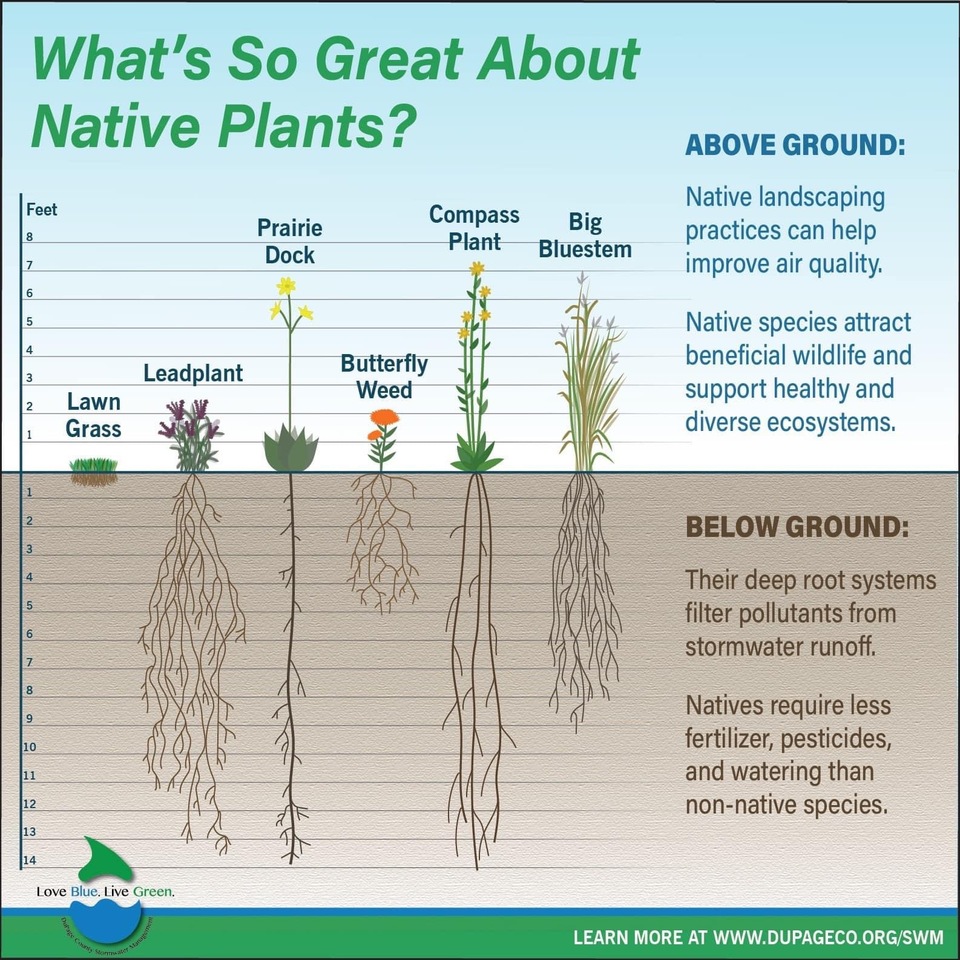
The City of Bethlehem should follow recommendations from Doug Tallamy, The National Wildlife Federation, Homegrown National Park, Xerces Society, The National Audubon Society, The Center for Biological Diversity, UN Biodiversity, and the like to encourage each resident to plant native plants and trees, avoid pesticides and herbicides and avoid gas powered leaf blowers.
Yards that use native plants are sustainable, save water, and provide habitat for pollinators and wildlife. Native plants evolved with our local climate, soil types, and animals.
We need to plant more keystone native plants in our yards and community for the greatest impact. https://www.nwf.org/Garden-for-Wildlife/About/Native-Plants/keystone-plants-by-ecoregion
See a list of the most beneficial native plants to our region here: https://www.nwf.org/-/media/Documents/PDFs/Garden-for-Wildlife/Keystone-Plants/NWF-GFW-keystone-plant-list-ecoregion-8-eastern-temperate-forests.pdf
From USDA.gov, Native Plant Materials are Advantageous because:
- Are unlikely to be invasive or overly competitive with other native plants
- Return to or maintain more normal fire intervals and fuel loadings
- Provide food sources (nectar, pollen, seeds, leaves, and stems) for native butterflies, insects, birds, and other animals
- Reduce energy consumption and pollution (limited need for mowing)
- Reduce the need for pesticides
- Enhance aesthetics and visual quality
- Protect at-risk species
- Protect biodiversity and stewardship of our natural heritage
When selecting native plant materials, it is important to have knowledge of the geographic origin and genetic diversity of the plant source. A good practice is to choose plant sources from an area that matches the restoration site conditions as closely as possible. This helps ensure project success because the stock will be adapted to local climate and soil conditions, and more resistant to damage from freezing, drought, common diseases, and herbivores. The maintenance of genetic diversity in plant sources will enable plants to adapt to changing climatic and environmental conditions. Plant populations with low genetic diversity may be more susceptible to pathogens and environmental stresses, and less competitive with introduced invasive species.
Homegrown National Park has created an easy way for everyone to participate. Even if you only have an exterior front door with a potted native plant, that is better than nothing. And, you can volunteer to plant community native plant gardens.
You can also follow National Wildlife Federation's guidelines to make your yard a NWF Certified Wildlife Habitat.
Once native plants are established, they need far less water and upkeep than lawns or exotic plants, and native plants require no "cleanup" as the birds, pollinators and other wildlife use their seeds and stems for food and habitat year round.
As for fallen leaves, simply rake those into your garden beds and wild areas of your yard. The pollinators and wildlife need fallen leaves as habitat to overwinter. Also last year's native leaves will break down and enrich soil health, which is also in decline from lack of native plants and natural areas in yards.
Two other important considerations:
- Gas powered leaf blowers have zero benefits and dozens detriments to soil health, pollinators, wildlife, birds, children, pets and humans.
- Pesticides and herbicides are equally detrimental for all the reasons listed above. Fireflies and native bees nest in the ground. This is why we are seeing less and less of them. Studies from Tufts and Purdue have proven two types of cancer in dogs are caused by common lawn treatment. Let's get these off our lawns and out of our city!


